


Everything UK Drivers Should Know About Timing Belt Replacements

Modern vehicles are designed to deliver outstanding performance, efficiency, and reliability, but every engine depends on a range of critical components working together in perfect synchronization. Among these, the timing belt plays one of the most important roles. While it often remains out of sight and out of mind, neglecting this component can result in expensive engine damage and unexpected breakdowns.
Across the United Kingdom, vehicle owners are becoming increasingly aware of the importance of routine servicing and preventive maintenance. As a result, Timing Belt Replacements Trowbridge and other specialist maintenance services are receiving greater attention from motorists who want to extend the lifespan of their vehicles while avoiding costly repairs.
Understanding how timing belts work, when they should be replaced, and what factors influence replacement decisions helps drivers make informed maintenance choices that improve both safety and reliability.
Understanding the Purpose of a Timing Belt
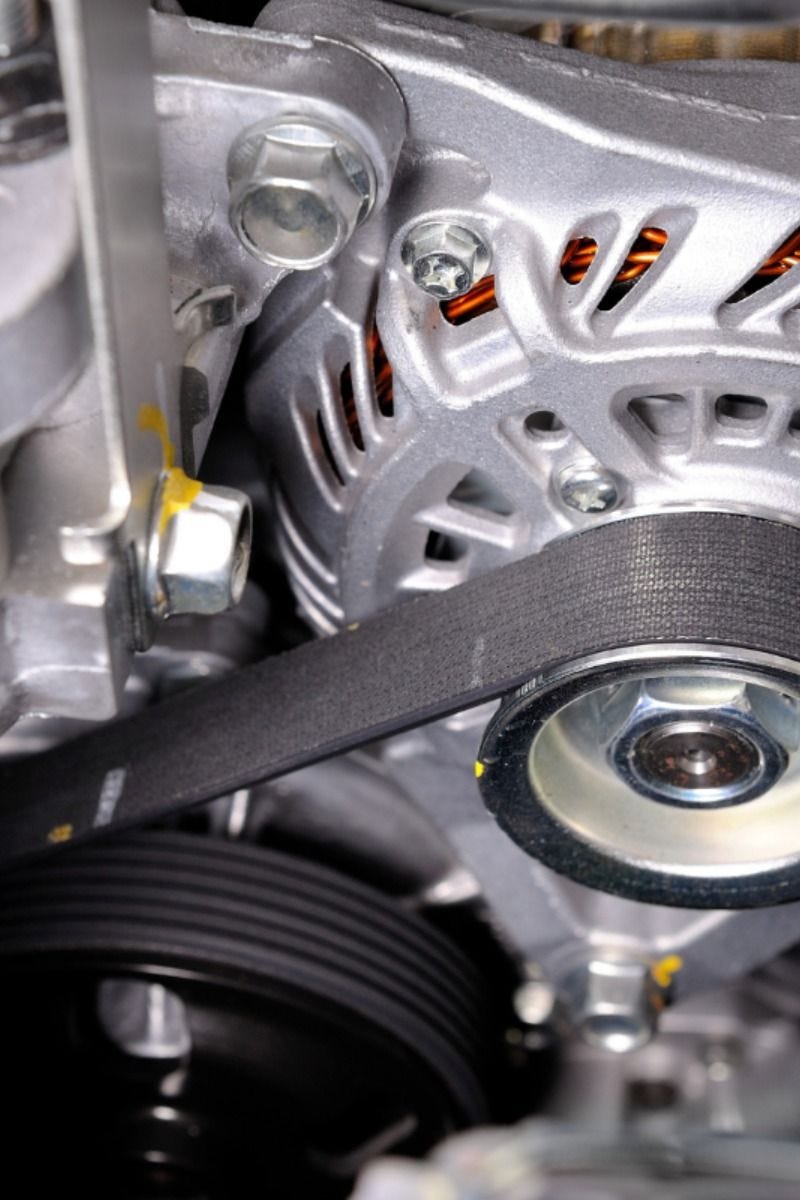
A timing belt is a reinforced rubber belt fitted with precision teeth that synchronize the rotation of the crankshaft and camshaft. This synchronization ensures that engine valves open and close at exactly the right time while the pistons move within the cylinders.
Even slight timing deviations can affect engine performance, fuel efficiency, and emissions. In many modern interference engines, a failed timing belt may allow pistons and valves to collide, causing severe internal engine damage.
Manufacturers specify replacement intervals based on mileage and age because timing belts naturally deteriorate over time due to heat, friction, and environmental conditions.
Routine Timing Belt Replacements Services help maintain engine timing accuracy and reduce the risk of unexpected mechanical failures.
Why Timing Belt Replacement Should Never Be Delayed
Unlike brakes or tyres, a timing belt often provides little warning before failure. While some belts may show visible cracks or wear during inspection, many fail without obvious symptoms.
Ignoring manufacturer recommendations can lead to:
- Complete engine failure
- Bent valves
- Damaged pistons
- Broken camshafts
- Expensive engine rebuilds
- Unexpected roadside breakdowns
Replacing the timing belt at the recommended interval is significantly more cost-effective than repairing an engine after belt failure.
Preventive maintenance remains one of the most practical ways to protect long-term vehicle value.
Factors That Influence Replacement Intervals
Not every vehicle follows the same maintenance schedule. Timing belt replacement recommendations vary according to manufacturer specifications, engine design, and driving conditions.
Several factors influence replacement timing:
- Vehicle age
- Total mileage
- Urban stop-start driving
- Long-distance motorway travel
- Climate conditions
- Previous maintenance history
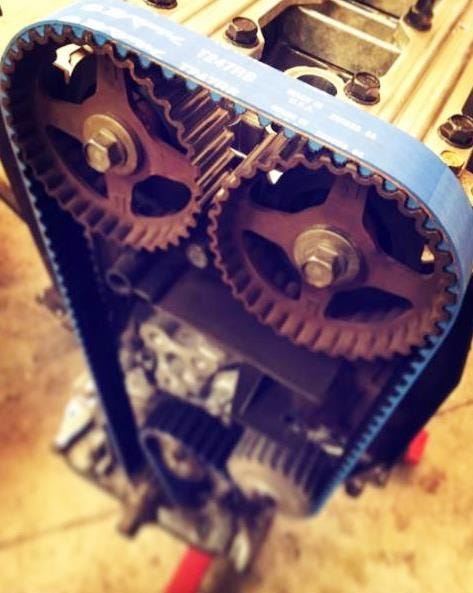
Many manufacturers recommend replacement between 60,000 and 100,000 miles, although some engines require earlier inspection.
Drivers should always consult the manufacturer’s service schedule rather than relying solely on mileage estimates.
The Growing Importance of Timing Belt Maintenance in the UK
Vehicle ownership patterns across the Timing Belt Replacements UK market continue evolving as motorists keep cars for longer periods due to rising vehicle prices.
Rather than replacing vehicles every few years, many owners now invest in preventative servicing that helps maximize engine longevity.
Several industry trends are contributing to this shift:
- Increasing demand for preventive maintenance
- Greater awareness of long-term ownership costs
- Improved diagnostic technology
- More manufacturer-specific repair procedures
- Increased focus on fuel efficiency and emissions
Independent automotive specialists have also invested heavily in specialist equipment and technician training, enabling accurate servicing across a wider range of petrol and diesel engines.
Wet Timing Belts: A Different Maintenance Challenge
One of the most discussed developments in modern engine technology is the wet timing belt.
Unlike traditional dry timing belts, wet belts operate inside the engine while immersed in engine oil. Manufacturers introduced this design to reduce friction, improve efficiency, and lower emissions.
However, wet belts require particularly careful maintenance.
Oil contamination, incorrect lubricant specifications, or delayed servicing may accelerate belt degradation.
As wet timing belts age, small particles may enter the lubrication system, potentially affecting oil pumps and other engine components.
Because replacement procedures are often more complex than conventional timing belt changes, many vehicle owners research wet timing belt replacement cost before scheduling maintenance.
While costs vary depending on engine type, replacing the belt before failure remains considerably more economical than repairing extensive internal engine damage.
Signs That a Timing Belt May Require Inspection
Although many timing belts fail without warning, certain symptoms can indicate that professional inspection is advisable.
Possible warning signs include:
- Engine misfires
- Difficulty starting
- Ticking noises from the engine
- Reduced engine performance
- Oil leaks near the timing cover
- Check Engine warning light
These symptoms do not always indicate timing belt failure, but they should never be ignored.
Professional diagnostics can identify underlying issues before they become major mechanical problems.
Best Practices for Timing Belt Maintenance
Maintaining engine reliability involves more than replacing a single component.
Automotive specialists generally recommend several best practices:
Follow Manufacturer Service Intervals
Always replace timing belts according to the manufacturer’s schedule rather than waiting for visible wear.
Replace Associated Components Together
During replacement, technicians often recommend replacing:
- Water pump
- Belt tensioners
- Idler pulleys
- Drive belts
- Coolant (where applicable)
Replacing these components simultaneously helps reduce future labour costs and improves overall reliability.
Use Quality Replacement Parts
High-quality components manufactured to original equipment specifications generally provide greater durability and performance.
Inferior replacement parts may reduce service life or increase the risk of premature failure.
Maintain Proper Engine Oil Quality
For vehicles fitted with wet timing belts, using the correct oil specification is particularly important.
Incorrect oil formulations may accelerate belt deterioration.
Why Professional Installation Matters
Timing belt replacement requires precise mechanical accuracy.
Even a minor installation error can affect valve timing and engine performance.
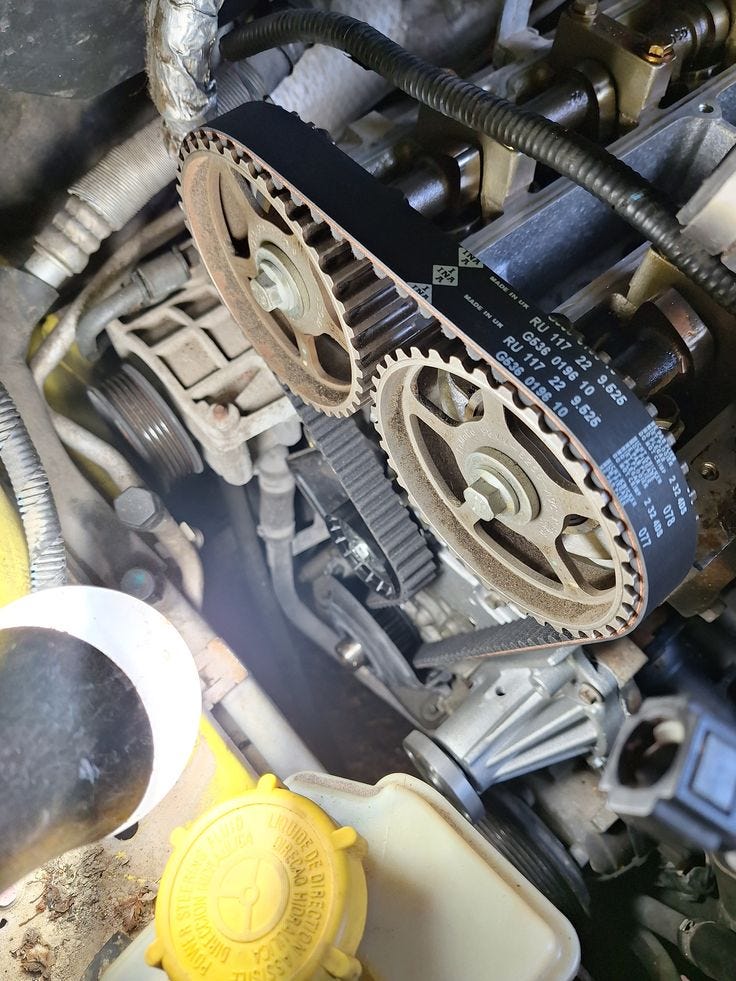
Professional technicians typically use specialist tools to:
- Lock engine timing
- Align camshafts
- Set belt tension accurately
- Verify timing marks
- Perform post-installation testing
Accurate installation minimizes future reliability issues while ensuring the engine operates according to manufacturer specifications.
Choosing an Experienced Service Provider
When selecting a workshop for timing belt replacement, vehicle owners should consider more than price alone.
Important factors include:
- Manufacturer-specific experience
- Qualified technicians
- Diagnostic capability
- Quality replacement components
- Transparent maintenance recommendations
- Service documentation
Across the United Kingdom, many independent specialists provide manufacturer-approved repair procedures for a wide range of vehicle makes and models.
For example, companies such as S&M Auto Service provide timing belt maintenance alongside broader vehicle servicing, demonstrating how independent workshops continue supporting preventative maintenance for modern vehicles without relying solely on dealership networks.
Preventive Maintenance Supports Long-Term Vehicle Ownership
Preventive maintenance has become increasingly valuable as vehicle technology becomes more advanced.
Replacing essential wear components before failure offers several long-term benefits:
- Improved engine reliability
- Reduced repair costs
- Better fuel efficiency
- Lower risk of breakdowns
- Higher resale value
- Greater confidence during long journeys
Rather than viewing timing belt replacement as an unnecessary expense, many experienced vehicle owners consider it an investment in the overall health of the engine.
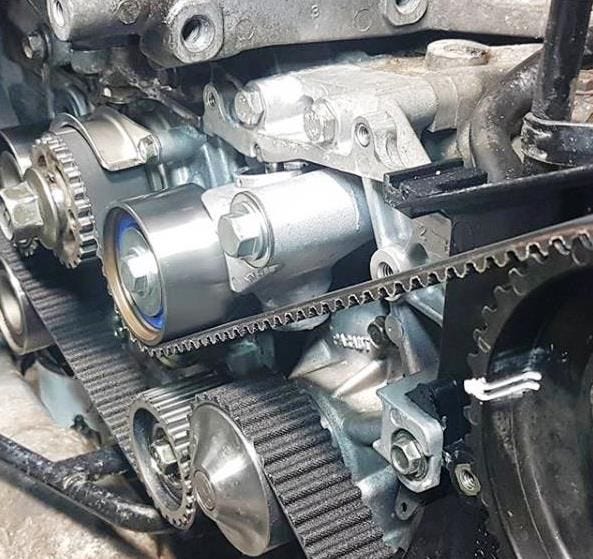
Regular inspections combined with manufacturer-recommended servicing create a proactive maintenance strategy that reduces unexpected repair bills over the lifetime of a vehicle.
Conclusion
The timing belt remains one of the most important maintenance components within any combustion engine. Although often overlooked, its condition directly affects engine performance, efficiency, and reliability.
Whether considering Timing Belt Replacements Trowbridge, researching Timing Belt Replacements UK, comparing Timing Belt Replacements Services, or understanding the wet timing belt replacement cost, the underlying principle remains consistent: preventive maintenance is far more economical than major engine repair.
By following manufacturer service schedules, replacing associated components when appropriate, using quality parts, and relying on experienced technicians, vehicle owners can significantly reduce the likelihood of costly mechanical failures. As modern vehicles continue becoming more sophisticated, informed maintenance decisions remain one of the most effective ways to protect long-term performance, safety, and overall ownership value.
http://l96464a8.beget.tech/blogs/2298/Affordable-Pre-MOT-Check-Near-You-A-Complete-Guide
https://smautoservicecouk.blogspot.com/2026/07/timing-belt-replacement-guide-for.html
https://smautoservicecouk.blogspot.com/2026/07/affordable-pre-mot-check-near-you.html
 Turkish
 English
 French
 Spanish
 Portuguese
 Deutsch
 Dutch
Dutch
 Italiano
 Russian
 Romaian
 Portuguese (Brazil)
 Greek
Greek