


Top 10 Things That Influence MINI One Timing Chain Replacement Cost

A timing chain is one of the most important components inside an engine. It synchronises the crankshaft and camshaft so that valves open and close at precisely the right moment. Unlike a component that can be easily inspected from outside the engine, a timing chain operates internally, which means early signs of wear can sometimes be overlooked.
For owners of BMW and MINI vehicles, understanding timing chain maintenance is particularly important because certain engines have developed reputations for chain-related wear. Knowing the warning signs, likely repair costs, and appropriate maintenance practices can help drivers address problems before they develop into major engine damage.
Whether researching BMW timing chain replacement, a MINI Cooper S timing chain replacement, or the potential timing chain replacement cost, a few basic principles can help vehicle owners make better-informed maintenance decisions.
Why Timing Chains Matter in BMW and MINI Engines
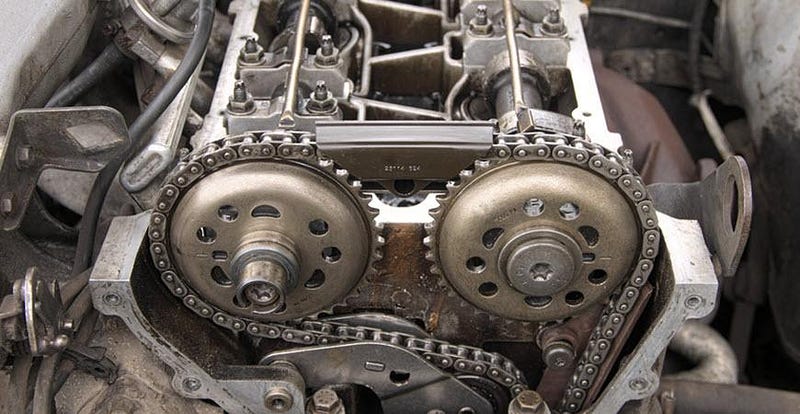
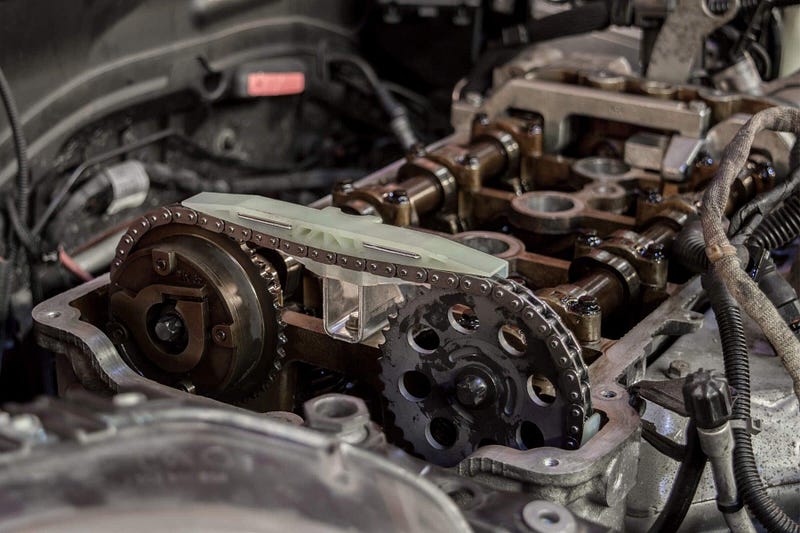
The timing chain connects the engine’s crankshaft to its camshaft or camshafts. Its primary role is to maintain correct valve timing while the engine is running.
A functioning timing system ensures that:
- The engine’s valves open and close at the correct time.
- Fuel and air enter the combustion chamber efficiently.
- Exhaust gases leave the cylinder properly.
- The engine maintains smooth performance.
- Internal engine components remain correctly synchronised.
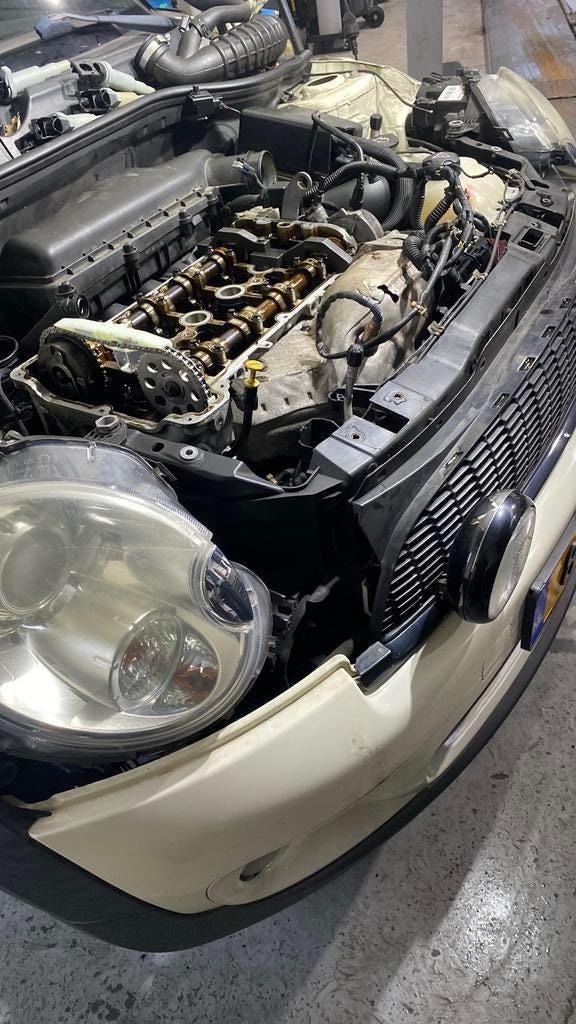
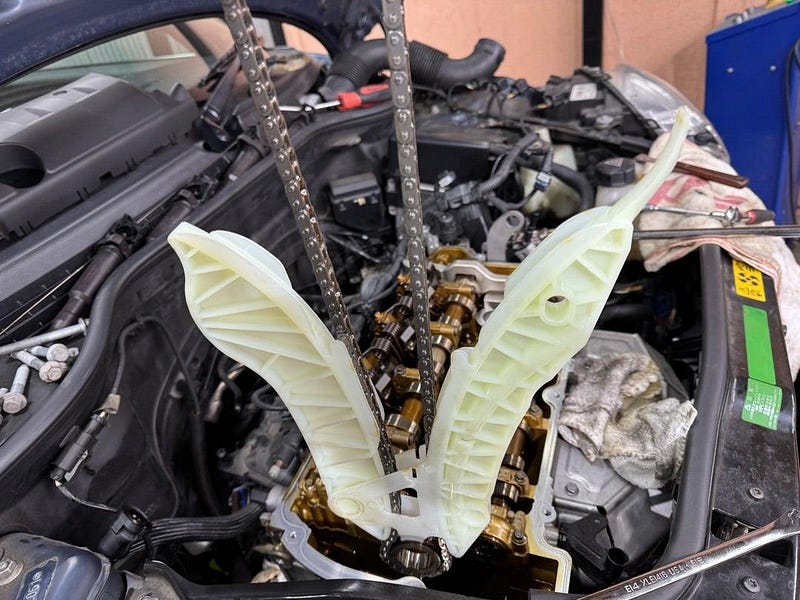
Timing chains are generally designed for long service life, but they are not necessarily maintenance-free. Chain guides, tensioners, sprockets and related components can wear over time. Engine oil quality and servicing intervals can also influence the condition of the timing system.
BMW and MINI engines use sophisticated variable valve timing systems, which makes correct chain operation even more important. When the chain becomes excessively loose or begins to move out of its intended position, engine timing can be affected.
Warning Signs of a Worn Timing Chain
One of the biggest challenges with timing chain problems is that symptoms can develop gradually. A vehicle may continue to run for some time even though internal components are becoming worn.
Drivers should pay attention to unusual changes in engine behaviour, particularly when several symptoms appear together.
1. Rattling or Metallic Noise
A rattling sound from the engine, especially during cold starts, can indicate excessive timing chain movement. A worn chain tensioner or guide may allow the chain to become temporarily loose.
Not every engine rattle is caused by the timing chain, so professional diagnosis is important before assuming that replacement is required.
2. Difficult Starting
If the engine takes longer than normal to start, inconsistent valve timing could be one possible cause. Starting problems can have many explanations, including battery, ignition and fuel-system faults, so diagnostic testing is useful.
3. Rough Idling
A worn timing system can affect valve timing and combustion. This may result in uneven idling, engine vibration or inconsistent performance.
4. Engine Warning Light
Modern BMW and MINI vehicles monitor engine timing through sensors and electronic control systems. If the engine computer detects a timing-related discrepancy, a warning light may appear.
A diagnostic scan can identify stored fault codes and provide additional information about what is happening.
5. Reduced Performance or Poor Fuel Economy
Incorrect valve timing can influence combustion efficiency. Some drivers may notice weaker acceleration, reduced responsiveness or an increase in fuel consumption.
These symptoms can also result from many other faults, which is why replacing parts without proper diagnosis is rarely a good approach.
BMW Timing Chain Replacement: When Is It Necessary?
There is no universal mileage figure that determines when every BMW needs a timing chain replacement. The appropriate interval depends on the engine, vehicle age, mileage, servicing history and operating conditions.
Some engines may experience timing chain wear earlier than expected, while others can operate reliably for a considerably longer period.
A mechanic assessing a suspected chain problem may consider:
- Engine noise during cold starts.
- Timing-related diagnostic fault codes.
- Chain tension and guide condition.
- Engine oil condition.
- Vehicle mileage and service history.
- Previous repairs.
- Camshaft and crankshaft synchronisation data.
In some cases, replacing the chain alone may not provide a complete repair. A comprehensive timing system service can include the chain, tensioner, guides, sprockets and other associated components where necessary.
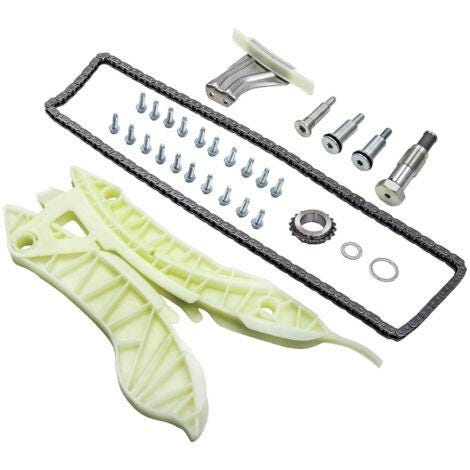
This is particularly important when components have experienced significant wear. Installing a new chain alongside severely worn guides or tensioners may not provide the expected long-term result.
MINI Cooper S Timing Chain Replacement Considerations
The MINI Cooper S timing chain replacement process can vary significantly depending on the engine generation and model year. MINI vehicles have been produced with several different engine configurations, so assuming that all Cooper S models require the same procedure can lead to inaccurate cost estimates.
A professional assessment should identify the exact:
- Model and year.
- Engine type.
- Engine code where applicable.
- Current mileage.
- Symptoms.
- Service history.
The repair itself can be labour-intensive because timing components are located inside the engine and access may be restricted. This is one of the main reasons timing chain repairs can cost substantially more than routine servicing.
For owners experiencing persistent chain noise, poor running or timing-related fault codes, investigating the issue early can be more economical than waiting for a complete chain failure.
Understanding Timing Chain Replacement Cost
The timing chain replacement cost depends on several factors rather than being a fixed amount.
Important cost influences include:
Labour
Timing chain replacement can require several hours of skilled labour. The exact time varies according to engine design and how accessible the timing components are.
Parts
A complete repair may involve more than the chain itself. Depending on condition, the parts list can include:
- Timing chain.
- Chain guides.
- Hydraulic or mechanical tensioner.
- Sprockets.
- Seals and gaskets.
- Engine oil and filter.
- Other single-use fasteners where specified by the manufacturer.
Engine Design
Some BMW and MINI engines are considerably more complicated to work on than others. The construction of the engine and location of the timing system can have a major effect on labour requirements.
Additional Damage
If a chain has already jumped timing or failed completely, valves and pistons may come into contact in an interference engine. This can result in extensive internal engine damage and significantly increase repair costs.
For this reason, responding to early warning signs can be important.
What About MINI One Timing Chain Replacement Cost?
The MINI One timing chain replacement cost can also vary according to the vehicle’s generation, engine and repair requirements. A MINI One from one production period may have a different engine and timing system from a newer model.
Before comparing estimates, owners should ensure that quotations cover similar work. One garage may quote for chain replacement alone, while another may recommend a complete timing-chain kit containing guides and tensioners.
A useful quotation should clearly explain:
- Which parts are being replaced.
- Whether labour is included.
- Whether engine oil and filters are included.
- Whether additional seals or gaskets are required.
- Whether diagnostic testing is included.
- What happens if additional wear is discovered during dismantling.
This makes it easier to compare repair estimates accurately rather than choosing based solely on the lowest headline figure.
Practical Ways to Reduce Timing Chain Problems
Although timing chain wear cannot always be prevented, good maintenance can help protect the engine.
Follow Appropriate Oil-Service Intervals
Engine oil lubricates the timing chain, guides and tensioner. Using the correct specification of oil and maintaining sensible service intervals can support reliable operation.
Do Not Ignore Unusual Engine Noise
A brief unfamiliar noise should not automatically be treated as harmless. If rattling becomes more frequent or is accompanied by other symptoms, the vehicle should be inspected.
Investigate Warning Lights Promptly
A diagnostic warning can provide valuable information about engine timing and sensor readings. Continuing to drive indefinitely with an unresolved warning may allow a relatively manageable problem to become more serious.
Keep Service Records
Accurate maintenance records help technicians understand the vehicle’s history and identify previous timing-related repairs.
Use Engine-Specific Information
BMW and MINI models differ considerably across generations. Maintenance recommendations should therefore be based on the specific engine rather than general assumptions about the brand.
Getting a Proper Diagnosis Before Replacement
One of the most important lessons with timing-chain problems is that symptoms should be diagnosed before parts are replaced.
For example, a rattling engine could potentially be associated with a timing chain, auxiliary belt, tensioner, exhaust component or another mechanical issue. Similarly, a check-engine light does not automatically mean that the timing chain has failed.
A proper inspection may combine physical checks, electronic diagnostics, manufacturer-specific data and service-history information.
For readers researching BMW and MINI timing repairs in the United Kingdom, S&M Auto Service provides further information about MINI timing chain replacement considerations, including factors that can influence repair costs.
Conclusion
Timing chain maintenance is an important part of long-term BMW and MINI ownership. Although timing chains are engineered for durability, wear can eventually affect the chain, tensioner, guides and related components.
Recognising symptoms such as cold-start rattling, difficult starting, rough running, warning lights or changes in performance can encourage earlier investigation. Understanding the factors behind timing chain replacement cost can also help vehicle owners compare repair estimates more effectively.
Whether the concern involves BMW timing chain replacement, a MINI Cooper S, or a MINI One, the correct approach is to identify the exact engine, diagnose the underlying issue and replace worn components appropriately. Regular servicing, suitable engine oil and prompt attention to unusual symptoms remain some of the most practical ways to support reliable engine operation.
Contact Us :
Read More :
https://www.smautoservice.co.uk/mini-cooper-timing-chain-replacement-cost/
Read More :
https://multy8.com.br/blogs/8107/Top-10-Ways-Car-Diagnostics-Can-Save-Time-and-Prevent
Read More :
https://galaxybook.net/read-blog/57276
 Dutch
Dutch
 English
 French
 Spanish
 Portuguese
 Deutsch
 Turkish
 Italiano
 Russian
 Romaian
 Portuguese (Brazil)
 Greek
Greek