


Tug Builder in UAE: How Modern Engineering Is Transforming Tugboat Construction
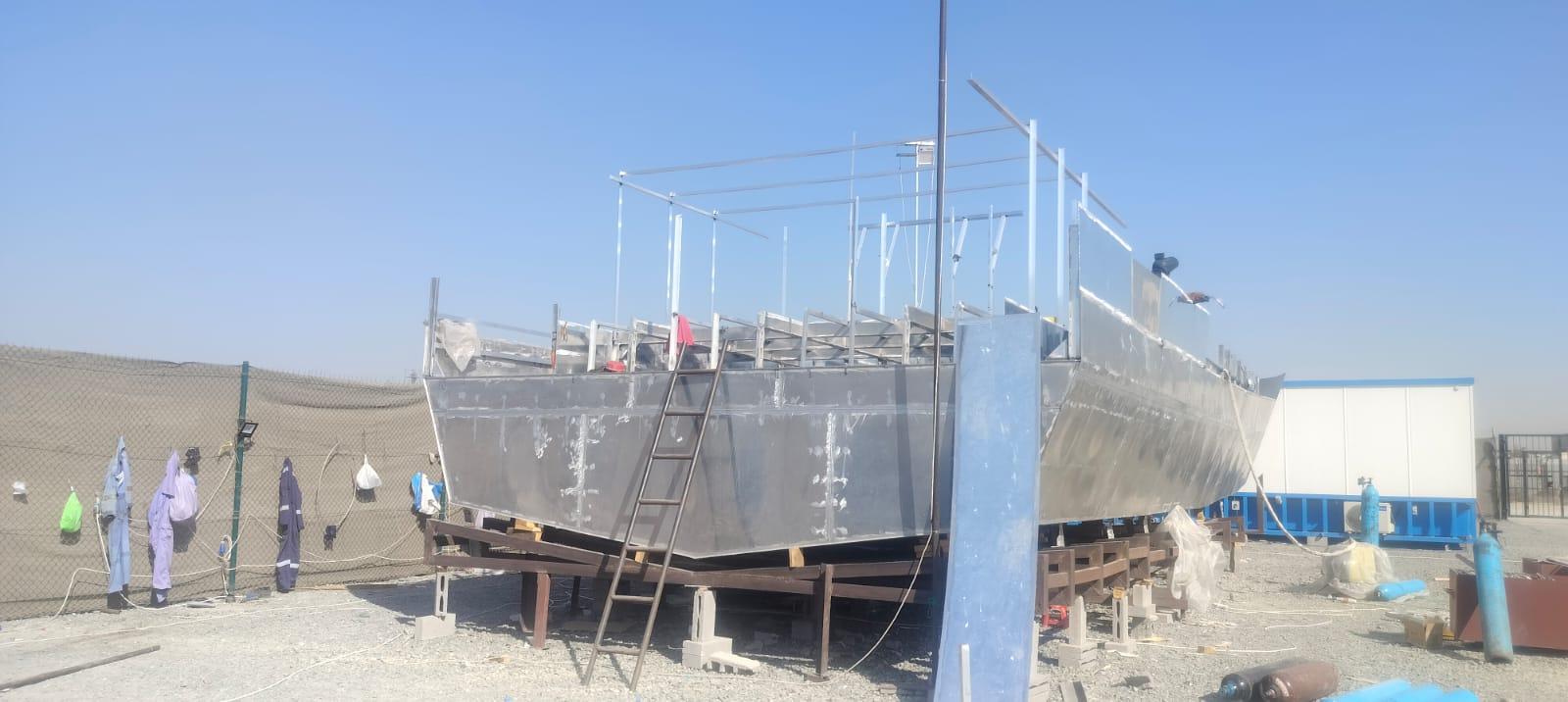
Tugboats may not be the largest vessels in a port, but they are among the most important. They help large ships enter and leave berths, move through confined waters, handle towing operations, and provide assistance during emergencies. As ports and offshore activities become more demanding, tugboat construction is changing too. Modern engineering is making these vessels more powerful, efficient, safer, and easier to operate.
For a tug builder in UAE, understanding these changes is especially important. The UAE has developed into a major maritime and logistics center, where ports require dependable vessels that can operate regularly under demanding conditions. Today's tugboat is no longer simply a powerful engine placed inside a strong hull. It is a carefully engineered combination of propulsion, hull design, navigation, safety, and digital technology.
Modern Hull Design for Better Performance
The hull is the foundation of every tugboat, and its design has a direct effect on performance. Traditional tug designs mainly focused on strength and durability. Modern designs take these factors into account while also looking at water resistance, stability, fuel consumption, and maneuverability.
Computer-aided design and hydrodynamic analysis allow engineers to study how water flows around the hull before construction begins. This helps identify unnecessary resistance and improve the overall shape of the vessel.
Material selection is also important. Steel continues to be widely used for heavy-duty tugboats because it offers excellent strength and durability. Aluminium, on the other hand, can reduce vessel weight when used in suitable designs.
Lightweight construction can provide benefits such as improved acceleration, lower fuel requirements, and better handling. This is why aluminum tug builders increasingly use modern fabrication techniques and engineering methods when developing specialized vessels.
Propulsion Technology Is Changing
A tugboat's main job is to generate enough thrust to move or control another vessel. Because of this, propulsion is one of the most important parts of tugboat design.
Diesel engines remain popular because they can deliver the high power needed for demanding towing and pushing operations. However, hybrid propulsion is receiving more attention as the marine industry looks for ways to reduce fuel consumption and emissions.
Tugboats often operate at different power levels throughout the day. They may spend several minutes maneuvering slowly before suddenly requiring significant power to push or pull a large ship. Hybrid systems can potentially use electric power during lower-demand periods while relying on conventional engines when high power is needed.
Research into hybrid tugboats has demonstrated that fuel-saving potential can vary significantly depending on the vessel's operating profile and battery configuration. This shows why propulsion systems need to be selected according to actual working conditions rather than simply choosing the newest available technology.
Better Maneuverability with Modern Thrusters
Maneuverability is critical for tugboats because they often work in restricted areas around large vessels. Modern azimuth thrusters have significantly improved the ability of tugs to move and position themselves accurately.
Unlike traditional propulsion systems, azimuth thrusters can direct thrust in different directions. This allows the tug to turn quickly, move sideways, and maintain precise control during ship-assistance operations.
For busy ports, this capability can save valuable time. A tug that responds quickly and can position itself accurately can make berthing and unberthing operations smoother and safer.
Digital Technology and Predictive Maintenance
Another major change in tugboat construction is the use of digital monitoring systems. Modern vessels can use sensors to track engine temperature, vibration, fuel consumption, pressure, and other machinery conditions.
This information helps operators understand how the vessel is performing in real time. More importantly, it can support predictive maintenance. Instead of waiting for a component to fail, maintenance teams can identify unusual readings and investigate the problem earlier.
This approach can reduce unexpected downtime and help extend the useful life of important machinery. For vessels that operate frequently, such improvements can make a meaningful difference to overall operating costs.
Modern aluminium tug manufacturers can also integrate digital monitoring and control systems during construction, creating vessels that are better prepared for today's technology-driven marine environment.
Safety Remains a Top Priority
Tugboats often operate close to large commercial ships, which makes safety a major part of their design. A modern tug needs more than a strong hull and powerful engines.
Navigation equipment, communication systems, firefighting arrangements, emergency shutdown systems, deck machinery, and crew protection all need to be considered during construction.
Wheelhouse visibility is another important factor. Tug operators need a clear view when approaching or assisting large ships. Modern wheelhouse layouts can improve visibility while making controls and navigation equipment easier to access.
Stability is equally important. Towing and pushing can generate considerable forces, so engineers must carefully evaluate the vessel's stability and structural strength for its intended operation.
Focus on Fuel Efficiency and Sustainability
Environmental concerns are influencing marine engineering around the world. Since tugboats can operate regularly around ports and terminals, reducing fuel consumption and emissions is becoming increasingly important.
Better hull designs, efficient engines, optimized propulsion systems, and hybrid technology can all contribute to improved environmental performance.
However, sustainability does not mean every tug must immediately switch to fully electric propulsion. Battery capacity, charging infrastructure, operating distance, power requirements, and project costs must all be considered.
The practical solution is usually to select the technology that best matches the vessel's real working conditions.
VU Marine and the Future of Tugboat Construction
Modern tugboat construction requires practical experience as well as engineering knowledge. VU Marine works in shipbuilding and marine services, supporting specialized vessel requirements with a focus on modern construction practices.
Every tug has a different purpose. A harbor tug may prioritize maneuverability, while an offshore tug may need greater endurance and equipment capacity. A towing tug may require high bollard pull and a strong working deck.
Therefore, a professional tugs building company needs to consider the entire vessel as one system. Hull dimensions, propulsion, electrical systems, deck equipment, navigation technology, accommodation, and safety features should all be planned together.
Conclusion
Modern engineering is transforming tugboat construction in practical and important ways. Better hull designs can improve efficiency, advanced propulsion can increase maneuverability, digital monitoring can support maintenance, and hybrid technology can help reduce fuel consumption in suitable operations.
As UAE ports and marine activities continue to develop, the demand for reliable and efficient tugboats is likely to remain strong. The future will not simply be about building more powerful vessels. It will be about building smarter vessels that deliver the right combination of power, safety, efficiency, durability, and maneuverability.
With modern engineering and experienced shipbuilding practices, VU Marine can contribute to the development of tugboats designed for the changing needs of the maritime industry.
 Greek
Greek
 English
 French
 Spanish
 Portuguese
 Deutsch
 Turkish
 Dutch
Dutch
 Italiano
 Russian
 Romaian
 Portuguese (Brazil)