


Ship Building Companies in UAE: The Future of Modern Marine Construction
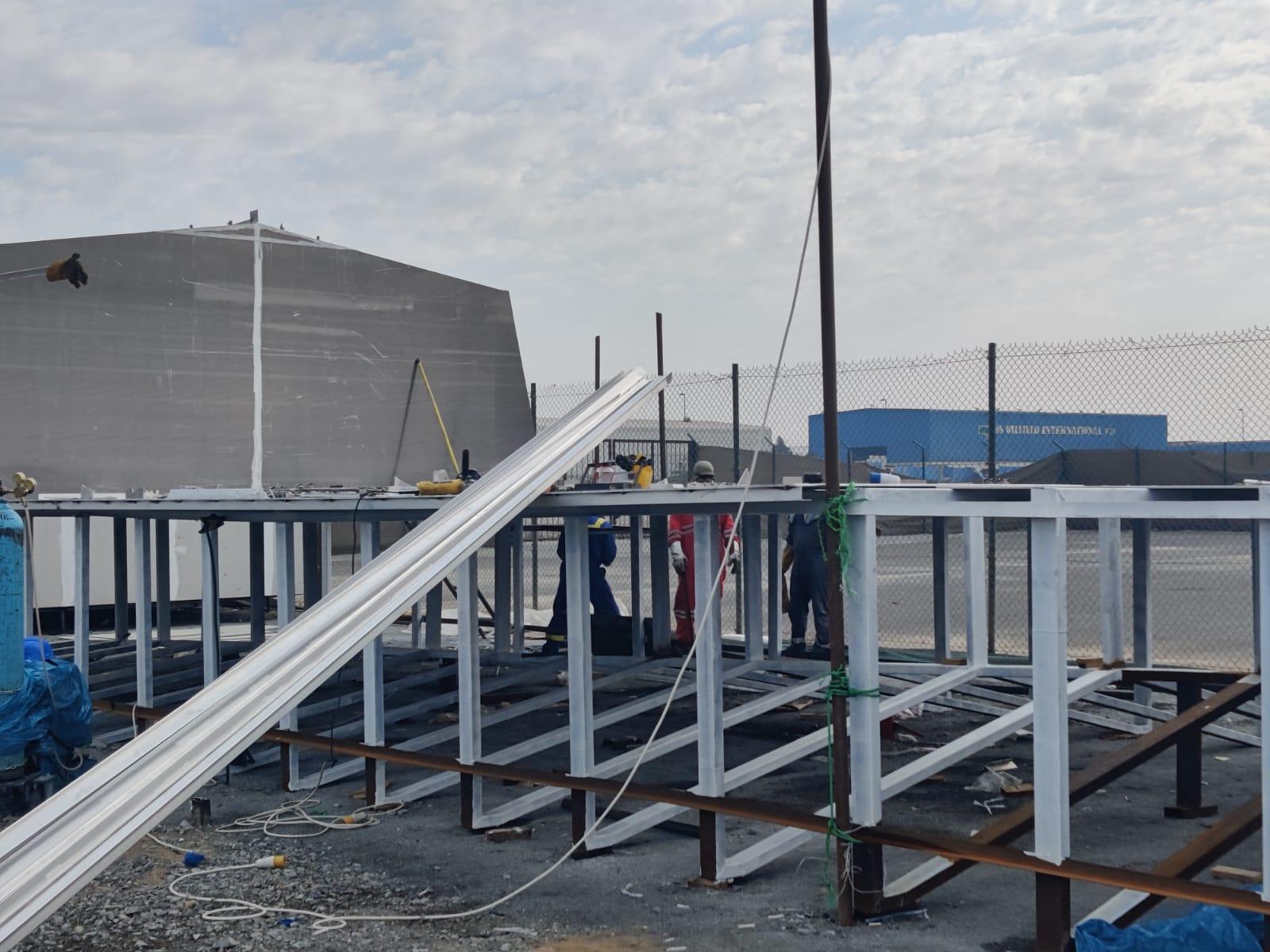
The UAE has developed into one of the Middle East’s most important maritime hubs, supported by major ports, international trade routes, offshore activities, logistics infrastructure, and continuous investment in marine technology. As demand for commercial, industrial, offshore, and specialized vessels increases, ship building companies in UAE are becoming an important part of the country’s modern industrial landscape. The industry is moving beyond traditional vessel construction toward advanced engineering, customized designs, sustainable materials, digital technology, and complete vessel lifecycle support.
According to UAE government data, the maritime sector contributes around AED 135 billion to the national economy, while UAE ports handled approximately 21 million TEUs of containers in 2023. UNCTAD data also recorded UAE container port throughput of about 21.14 million TEUs in 2024. These figures highlight the scale of maritime activity and the demand for reliable vessels and supporting infrastructure.
UAE's Growing Marine Construction Industry
The geographical position of the UAE gives its maritime sector a major advantage. The country sits close to important shipping routes connecting Asia, Europe, Africa, and the Middle East. This location supports container shipping, offshore operations, port activities, coastal transportation, marine construction, and vessel support services.
As maritime activity expands, the requirements of vessel owners are also changing. Modern operators need vessels that are efficient, durable, safe, and capable of performing specialized tasks. This has increased interest in tugboats, barges, workboats, patrol boats, crew boats, passenger vessels, utility boats, and customized aluminum vessels.
The modern shipbuilding industry therefore involves much more than assembling a hull. It includes naval architecture, structural engineering, welding, electrical installation, propulsion integration, testing, painting, commissioning, and quality inspection.
Advanced Vessel Manufacturing
The development of ship manufacturing companies in UAE is closely connected with technological advancement. Modern shipyards are increasingly using computer-aided design, 3D modelling, CNC cutting, advanced welding systems, digital production planning, and computerized quality-control processes.
Computer-based modelling allows engineers to examine a vessel's structure before fabrication begins. Potential design issues can be identified earlier, helping reduce material waste and unnecessary modifications during construction.
Advanced fabrication techniques can also improve dimensional accuracy. This is especially important when constructing vessels with complex hull shapes, lightweight structures, or specialized equipment.
Another important development is modular construction. Different sections of a vessel can be fabricated separately and later assembled into the completed structure. This approach can improve workflow and make better use of workshop space while helping shipyards manage complex projects.
Why Aluminum Is Becoming More Popular
Aluminum has become an important material for many modern marine applications because of its combination of low weight, corrosion resistance, and strength. Lightweight construction is particularly useful for vessels where speed, fuel efficiency, and maneuverability are important.
For example, patrol boats, rescue boats, passenger vessels, crew boats, and workboats can benefit from aluminum construction. A lighter vessel generally requires less energy to achieve a particular operating speed, although actual fuel savings depend on hull design, engine selection, operating conditions, and vessel size.
Aluminum construction also provides flexibility for customized marine projects. Modern fabrication technology allows builders to produce different hull configurations according to payload, speed, endurance, passenger capacity, and operational requirements.
The Importance of Marine Support Services
Building a vessel is only one part of its operational lifecycle. Once a vessel enters service, it requires regular inspection, maintenance, repair, upgrades, and sometimes complete refurbishment. This makes marine services in UAE an important component of the country's maritime ecosystem.
Marine services can include ship repair, painting, mechanical work, electrical maintenance, retrofitting, inspection, commissioning, and technical consultancy. These activities help vessel owners maintain operational reliability while extending the useful life of their assets.
Retrofitting is becoming particularly relevant as vessel owners look for ways to improve existing fleets. An older vessel may be upgraded with more efficient engines, modern navigation systems, improved electrical equipment, updated safety systems, or redesigned working areas.
In many situations, upgrading an existing vessel can provide a practical alternative to replacing it completely.
Digital Technology Is Transforming Shipbuilding
Technology is changing almost every stage of modern marine construction. Digital design tools allow engineers to create accurate vessel models and evaluate different configurations before construction starts.
Sensors and onboard monitoring systems are also becoming increasingly common. They can provide information about engine performance, fuel consumption, vibration, temperature, and other operating parameters. This data can support preventive maintenance and help operators identify potential problems earlier.
Artificial intelligence and data analytics could further influence the industry in the coming years. Predictive maintenance systems, automated production planning, digital twins, and smarter fleet-management platforms may help shipyards and vessel operators improve efficiency.
For the UAE, which is investing heavily in digital transformation across industrial sectors, these technologies could become an important part of the next generation of marine construction.
Sustainability and Cleaner Vessel Design
Environmental considerations are also influencing the future of shipbuilding. International maritime regulations and customer expectations are encouraging vessel operators to reduce emissions and improve energy efficiency.
Modern vessels can be designed with optimized hull shapes, efficient propulsion systems, lightweight materials, improved electrical systems, and alternative-energy technologies.
Hybrid propulsion is one area receiving growing attention. Depending on the vessel's operating profile, combining conventional engines with batteries or other electric systems can reduce fuel consumption and emissions during certain operating conditions.
Smaller vessels operating inside ports and coastal waters may be particularly suitable for hybrid or electric solutions because their operating patterns can make energy management easier.
Sustainability is also becoming important during construction. Efficient material cutting, responsible waste management, durable coatings, and longer-lasting components can reduce the environmental impact associated with vessel construction and maintenance.
What Makes a Modern Shipbuilder Competitive?
The top shipbuilding companies of the future will not necessarily be defined only by the number of vessels they construct. Engineering capability, customization, quality, technology, delivery efficiency, safety, and after-sales support will increasingly determine competitiveness.
A modern shipbuilder needs to understand the complete lifecycle of a vessel. Customers may require assistance with design, fabrication, equipment integration, testing, commissioning, maintenance, and future modifications.
This is where an integrated marine approach becomes valuable. A company capable of supporting multiple stages of a vessel's lifecycle can provide greater convenience to owners and operators.
VU Marine and the Future of Marine Construction
VU Marine is part of this evolving UAE maritime environment, providing capabilities across shipbuilding and marine-related activities. Its work includes aluminum boat construction, tug and barge building, ship repair, maintenance, retrofitting, marine consultancy, painting, commissioning, and other marine solutions.
This broader range of capabilities reflects an important change in the industry. Vessel owners increasingly need partners that can support them beyond the initial construction stage.
For example, a vessel may first require engineering and fabrication, followed by commissioning and testing. Later, the same vessel may need maintenance, repair, painting, equipment upgrades, or structural modifications. Having access to multiple marine capabilities can make lifecycle management more efficient.
Economic Growth Supporting Marine Demand
The UAE's wider economic growth is also supporting the maritime sector. According to the Federal Competitiveness and Statistics Centre, UAE real GDP grew by 6.2% in 2025, reaching approximately AED 1.9 trillion, while non-oil GDP grew by 6.8%. The transport and storage sector recorded growth of around 7.8% during the same period.
The country's non-oil foreign trade also exceeded USD 1 trillion in 2025, demonstrating the scale of international commercial activity passing through the UAE.
As trade, logistics, offshore activities, and port infrastructure continue developing, demand for specialized marine vessels and supporting services is likely to remain strong.
The Future of UAE Shipbuilding
The future of marine construction in the UAE will likely be shaped by five major factors: technology, sustainability, customization, efficiency, and lifecycle support.
Shipyards will increasingly use digital engineering and advanced fabrication techniques to improve accuracy. Lightweight materials such as aluminum will remain important for specific vessel categories. Hybrid and electric propulsion may become more common where operating conditions make them practical.
At the same time, customers will continue looking for customized vessels designed around their exact operational requirements.
The UAE's strategic location and growing maritime infrastructure provide a strong foundation for this transformation. As the country continues to strengthen its position as a global logistics and maritime center, the marine construction industry can play an important role in supporting future economic growth.
Conclusion
Modern marine construction in the UAE is moving toward a more technologically advanced and service-oriented future. Strong maritime trade, expanding port infrastructure, offshore activities, and economic diversification are creating opportunities for innovative vessel construction.
The industry is no longer simply about building ships. It is about developing lighter, safer, smarter, more efficient, and more sustainable marine assets.
With advances in aluminum fabrication, digital engineering, cleaner propulsion, vessel monitoring, and comprehensive maintenance, UAE marine construction is well positioned for continued development. VU Marine's combination of vessel construction and wider marine capabilities reflects the direction in which the industry is moving.
As maritime requirements become more specialized, the future will belong to marine businesses that can combine engineering expertise, modern technology, quality workmanship, and dependable lifecycle support to deliver practical solutions for the evolving needs of vessel owners and operators.
 Deutsch
 English
 French
 Spanish
 Portuguese
 Turkish
 Dutch
Dutch
 Italiano
 Russian
 Romaian
 Portuguese (Brazil)
 Greek
Greek